Lest we forget…

Timeless money discipline passed down by our grandparents: repair before replacing, save before spending, and respect every rupee.
Aji lives in her old wooden house on the outskirts of Kalimpong. She has never held a bank passbook in her name, and cannot read numbers beyond simple counting. Yet her grandson, now a bank manager in Siliguri, says he learned more about money from her than from any of his professional training.
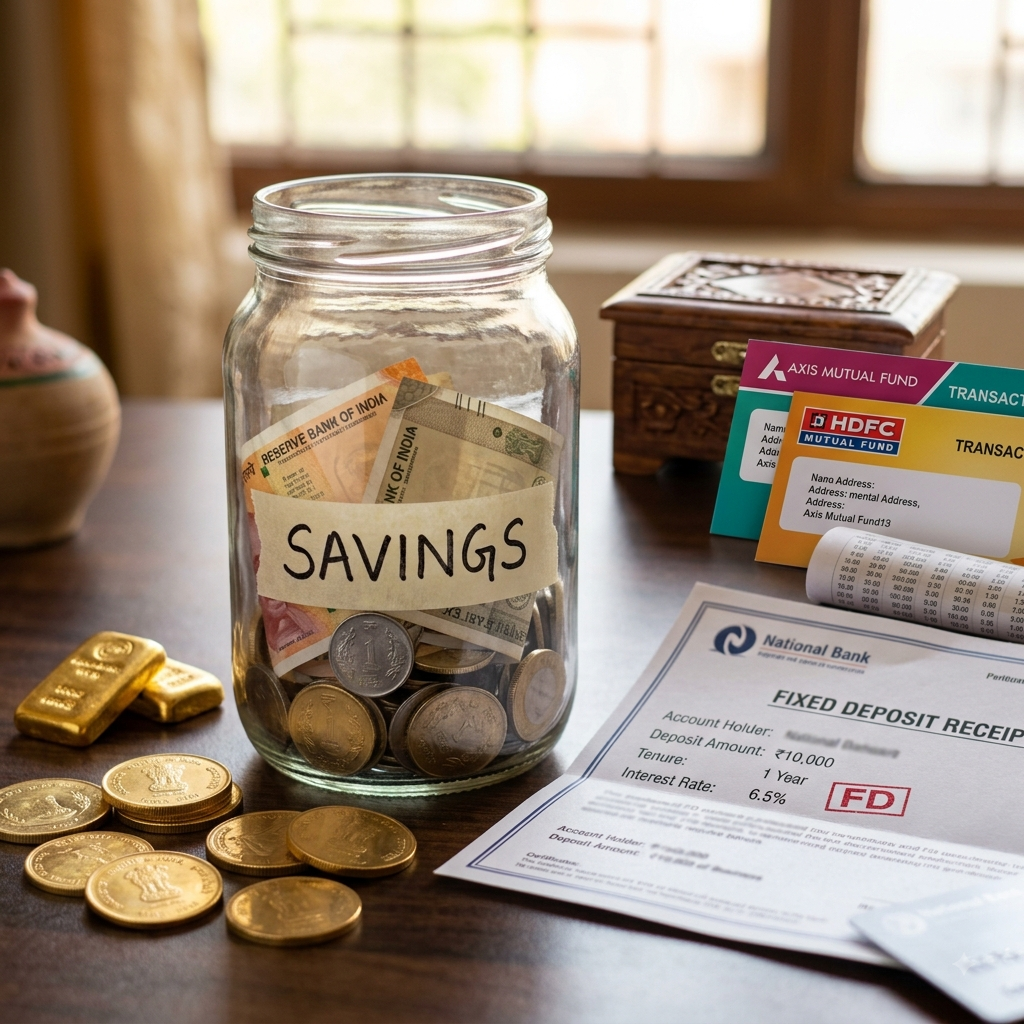
"She never wasted a grain of rice," he says "because she had lived through times when every grain mattered, and that respect for resources never left her, even decades later." Aji keeps a small tin of coins under her prayer altar, adding to it whenever she can, though she could not tell you the exact amount inside. "It is not about the amount," she told her grandson once. "It is about the habit of never forgetting to save." He admits that despite studying complicated financial concepts, he still struggles with simple discipline his grandmother mastered without ever needing to name it.
Our grandparents' generation understood the difference between a need and a want. They repaired things, saved before spending, avoided debt unless necessary, and they shared generously within their community, understanding that mutual support was itself a form of financial security.
Many of these habits developed simply out of necessity, in a world with fewer choices and less easy access to credit. As the world has opened to easier loans, more products and conveniences available at the tap of a phone—some of that old caution has quietly faded. Modern financial life is genuinely more complex than what our grandparents faced.
But the underlying principles she lived by have not become outdated. Patience, restraint, saving before spending, avoiding unnecessary debt, and valuing community support are just as relevant today as they were in her youth. What has changed is not whether these principles work, but whether we still practise them.
Timeless Financial Habits:
Aji's tin of coins under the prayer altar will never make her wealthy in a modern sense. But the discipline behind it—the quiet, unglamorous habit of never forgetting to save, however small the amount—carried her and her family through decades of uncertainty.
Have questions about this guide?
Our financial Sahayogis are ready to help you plan your family's financial goals in simple terms.



Recommended Guides
Handpicked articles to help you build long-term wealth.
 Financial Planning
Emergency Fund: Hamro Samaj ta…
Community collections used to absorb medical shocks, but as costs rise and families shrink, building your own emergency fund is essential.
 Financial Planning
The Government Dream Job…
Newer careers in digital marketing, tourism, and business offer high income but no pension. Learn how to build your own safety net.
 Smart Saving
Wedding Fund: A big fat Indian wedding…
A wedding lasts a day, but a loan can last years. Discover how early investment planning saves families from high-pressure debt.
Ready to take the first step?
We're here to help you start your investing journey.