Emergency Fund: Hamro Samaj ta…
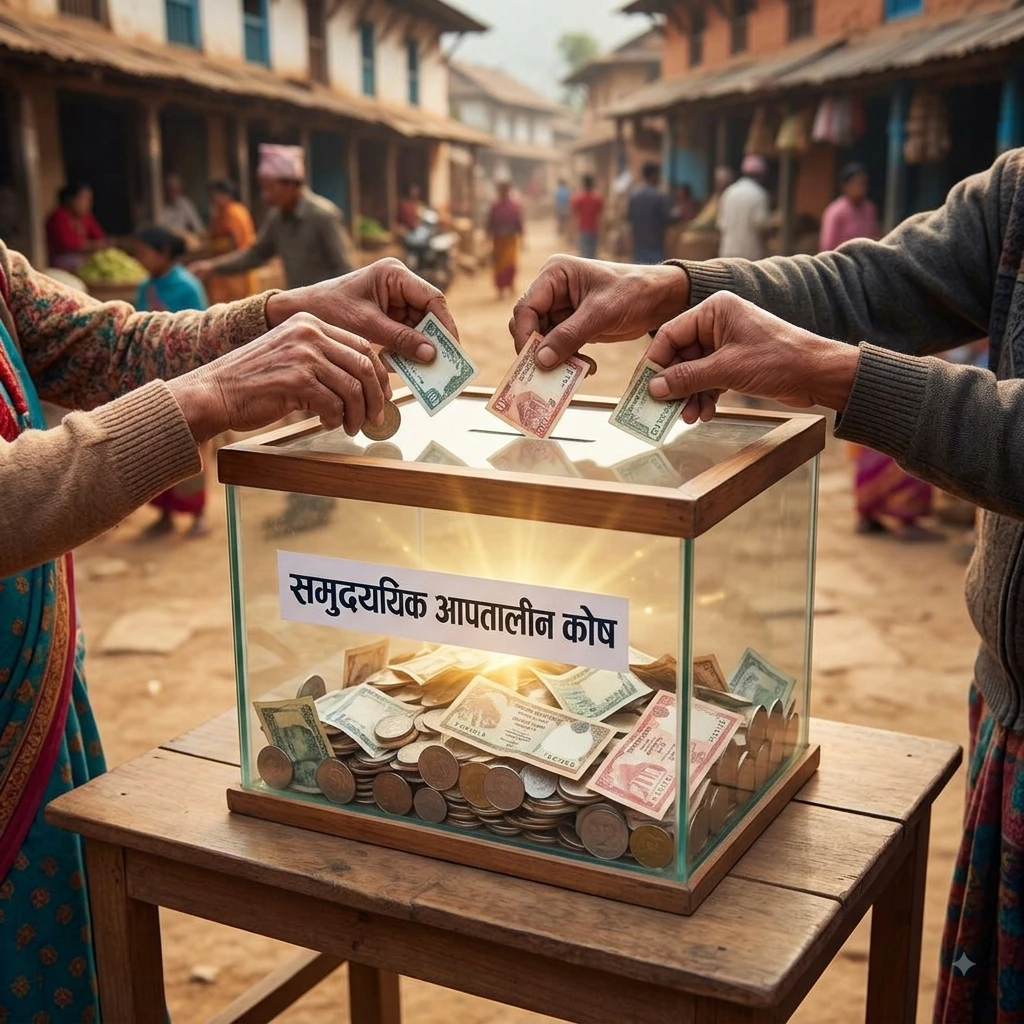
Community collections used to absorb medical shocks, but as costs rise and families shrink, building your own emergency fund is essential.
I still remember the time when Anil’s father fell from the roof while fixing a leaking roof. Within a few hours, the samaj was there. A cousin drove him to Siliguri refusing any payment. The contributions kept coming in and hospital bills was taken care of. Nobody sent a bill, no one kept an account. That was twenty years ago.
Last year, when his own son needed a minor surgery in Gangtok, he did not think to call the samaj first. He called his bank for a loan. The neighbours came to visit, brought fruits, said kind words. But nobody organised a collection. Nobody expected to. Somewhere between his father's accident and his son's surgery, something had quietly changed.
This is not a story about people becoming less caring. Sikkim, Darjeeling, and Kalimpong are still full of warm, generous people. But families have become smaller. Sons and daughters have moved to Bengaluru, Gurgaon, or abroad for work and study. Neighbours change more often as people rent flats instead of staying in ancestral homes. The joint family that once absorbed a medical shock together has become a nuclear family that faces it alone.
Earlier generations also had less to spend, so a small collection went a long way. Today, a single hospital stay in Siliguri or Kolkata can cost lakhs. No samaj collection, however generous, can fully cover that anymore. The scale of the problem has outgrown the scale of community support.
There is also a quieter shift. Asking for help once felt natural, almost expected. Today, many people feel embarrassed to ask, even when they desperately need to. Pride has grown alongside distance.
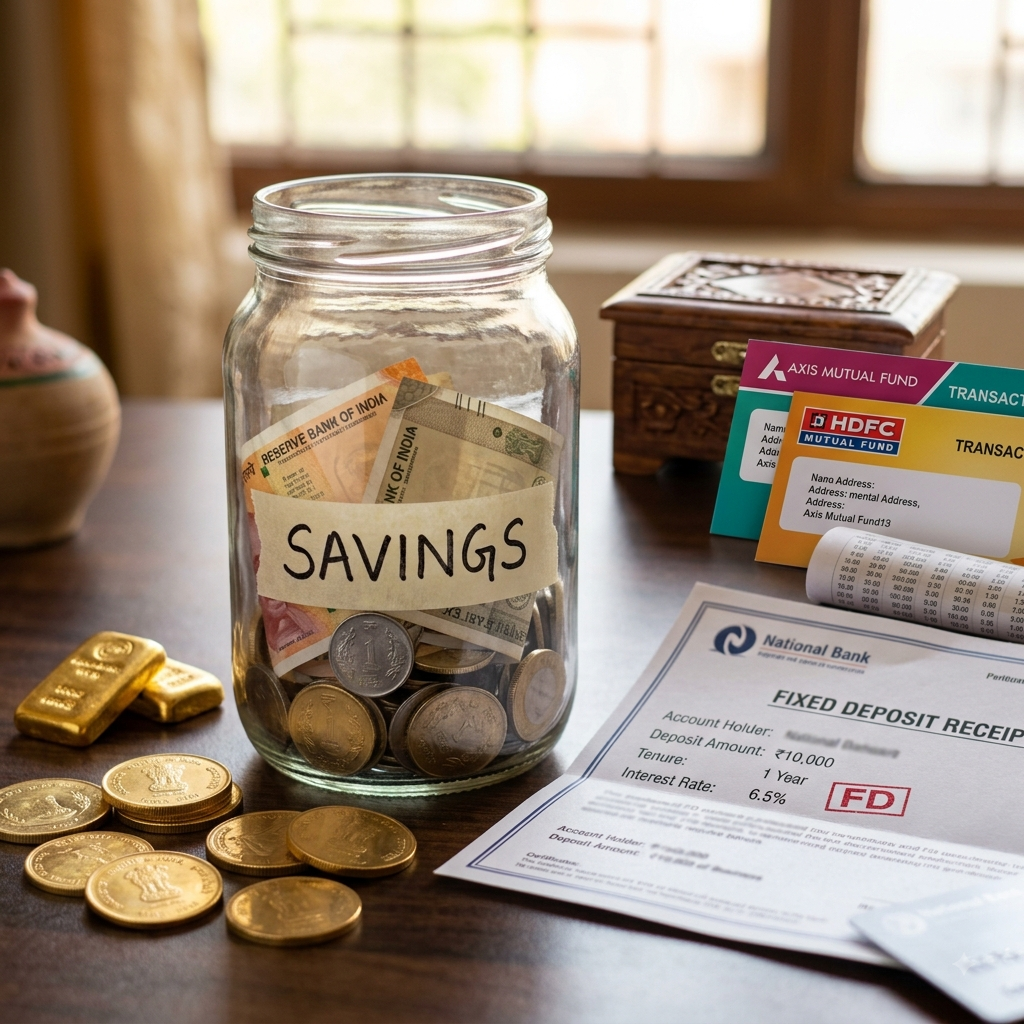
This is exactly where an emergency fund becomes important, and it is not a complicated idea. An emergency fund simply means setting aside some money, separately from your daily expenses, for situations you cannot predict—an accident, a sudden illness, a job loss, a landslide damaging your shop.
How to Build Your Emergency Buffer:
The samaj gave our parents something money alone cannot buy—the certainty that they would never face a crisis alone. That certainty is harder to find today, not because people stopped caring, but because life stopped being lived so close together. Perhaps the answer is not to choose between community and personal savings, but to quietly build both.
Have questions about this guide?
Our financial Sahayogis are ready to help you plan your family's financial goals in simple terms.


Recommended Guides
Handpicked articles to help you build long-term wealth.
 Financial Planning
The Government Dream Job…
Newer careers in digital marketing, tourism, and business offer high income but no pension. Learn how to build your own safety net.
 Smart Saving
Wedding Fund: A big fat Indian wedding…
A wedding lasts a day, but a loan can last years. Discover how early investment planning saves families from high-pressure debt.
 Smart Saving
The Price of Paradise
Tourism brings opportunity to local towns like Lachen, but rising local prices squeeze fixed-income families. Here is how to prepare.
Ready to take the first step?
We're here to help you start your investing journey.